
 Freestanding tubs are back at the center of the luxury bathroom, and this time they are as architectural as they are indulgent.
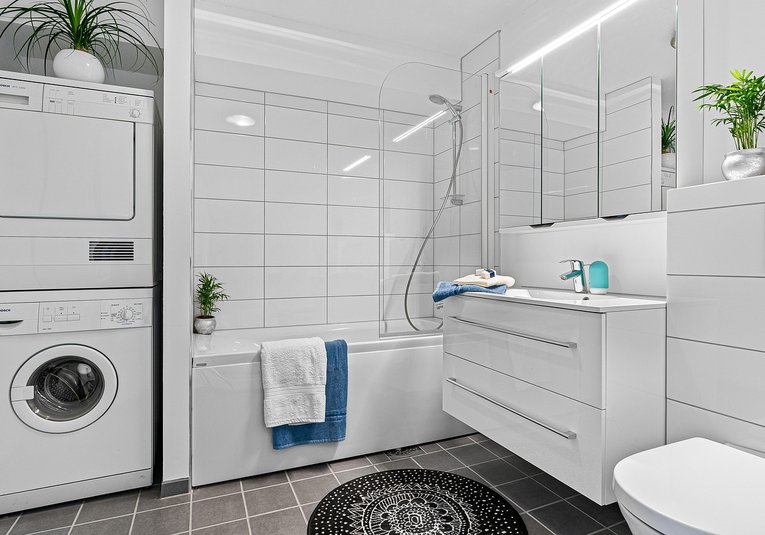
Layered Lighting: The Secret to a Bathroom That Feels Like a Retreat
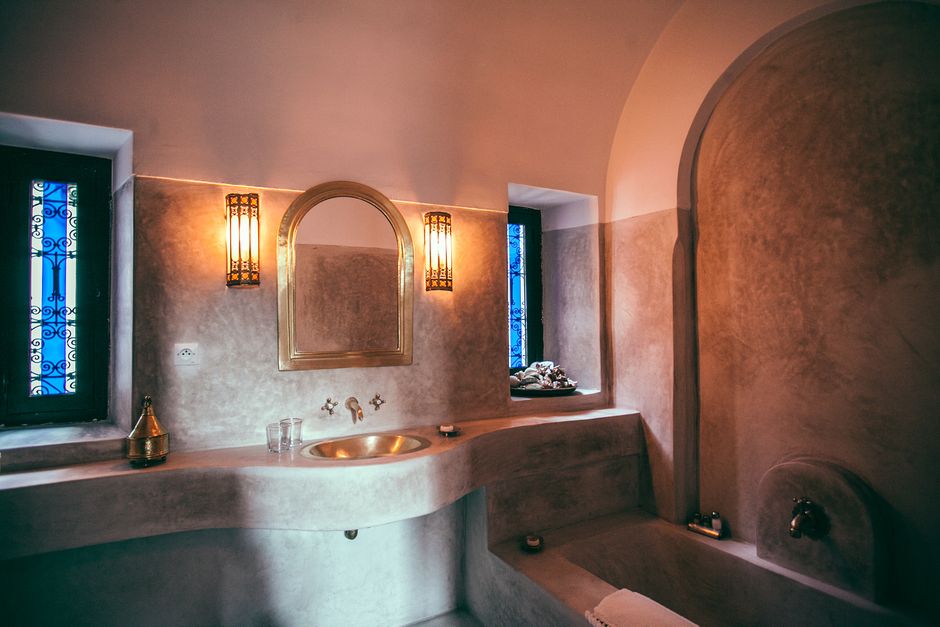
Walk into any great spa and notice what the light is doing. It is almost never coming from directly above. It glows from behind a screen, washes up a wall, pools on a counter, or flickers from a single candle. The light is layered, and that layering is the difference between a bathroom that feels clinical and one that feels like a place you want to linger.
Most residential bathrooms rely on a single overhead fixture, usually a bright one, controlled by a single switch. It is efficient and unforgiving. It flattens faces, casts harsh shadows, and leaves no room for mood. Layered lighting solves all of this by giving you options: bright light for tasks, medium light for grooming, and low light for soaking, reading, or simply being still.
The Four Layers Every Bathroom Needs
The first layer is ambient light, the general illumination that fills the room. Instead of a single ceiling fixture, consider two or three smaller sources: recessed lights on a dimmer, a pair of ceiling pendants, or a linear fixture along the length of the room. Keep the color temperature warm, around 2700K, so the light feels golden rather than blue. Dimming is not optional here. It is what allows the same fixture to serve both a morning rush and an evening bath.
The second layer is task lighting, positioned where you actually need to see. Flanking the mirror with vertical sconces is the most flattering approach, because it lights the face evenly from both sides. If sconces are not possible, a light above the mirror combined with a second light below, or a backlit mirror, will reduce shadows. For shaving or makeup, aim for a color rendering index above 90 so colors read true.
The third layer is accent lighting, the light that creates atmosphere. This is where niches glow, where a strip of LED runs beneath a floating vanity, where a small spotlight grazes a stone wall. Accent lighting is not about seeing; it is about revealing texture and creating depth. Use it sparingly and let it surprise you.
The fourth layer is decorative light, the candles, lanterns, and small table lamps that you place by hand. These are the most personal and the most effective at creating a spa mood. A single candle beside a freestanding tub does more for the atmosphere than any recessed fixture ever will.
Practical Rules for Getting It Right
Control is everything. Put each layer on its own dimmer or smart switch, and group them into scenes: a bright morning scene, a medium grooming scene, a low evening scene. If you are renovating, run separate circuits for each layer and consider a keypad or app-based system that lets you recall scenes with one touch.
Pay attention to placement. Light should never shine directly into your eyes when you are seated in the tub or standing at the sink. Angle accent lights toward walls and ceilings rather than into the room. Use frosted lenses or baffles to soften glare. In wet zones, choose fixtures rated for damp or wet locations, and keep them at least the required distance from the tub and shower.
Finally, remember that darkness is part of the design. A spa bathroom is not evenly lit; it has pools of light and pockets of shadow. Leave some corners dim. Let the eye rest. When you can dim the room to a warm glow and still feel completely at ease, you have built something better than a bathroom. You have built a retreat.